Sentinels of Energy and Electricity Perception
Jiazheng Intelligent's self-developed JC80001, JC60001, and JC50001 fuel cell hydrogen sensors
Power transformers are the core equipment in the transmission and distribution of power systems, and their safe and stable operation directly determines the reliability of power supply in the grid. Transformer oil, as the insulation and cooling medium of equipment, will undergo decomposition reactions when faults such as overheating, discharge, insulation moisture or aging occur internally. Hydrogen gas will continue to be produced and dissolved in the oil. The abnormal increase in hydrogen gas content is the early core warning signal of transformer faults. Therefore, achieving accurate and real-time monitoring of hydrogen gas in transformer oil is a key means to prevent equipment failures and extend equipment service life. Fuel cell hydrogen sensors, with their high selectivity, sensitivity, and long-term stability, have become the core sensing component for monitoring hydrogen in transformer oil. They are widely used in various state monitoring scenarios of oil immersed transformers, providing reliable technical support for the safe operation and maintenance of power equipment.
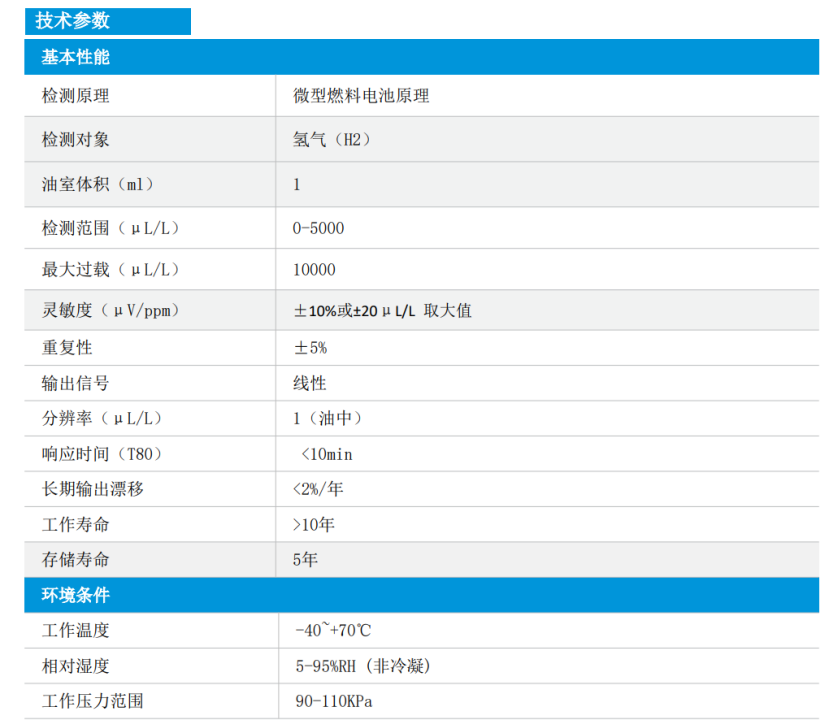
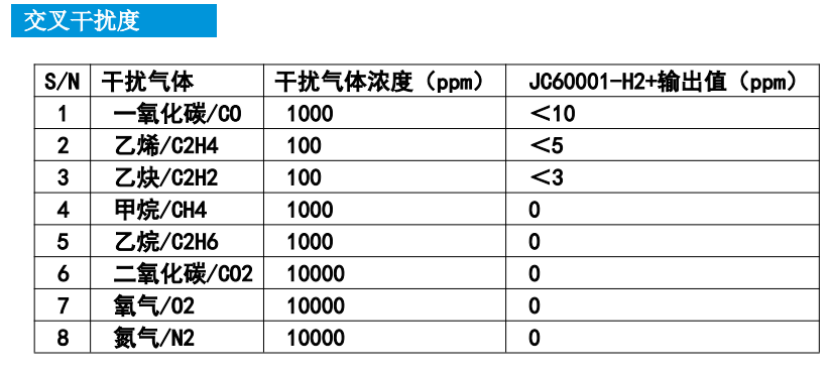
The application of fuel cell hydrogen sensors in transformer oil hydrogen monitoring relies on the core principle of micro fuel cells to achieve specific capture and accurate quantification of dissolved hydrogen in oil, adapting to the complex working conditions of transformer oil monitoring. The core working mechanism is to selectively transmit hydrogen dissolved in transformer oil through the built-in PTFE breathable membrane of the sensor, and undergo electrolytic combustion reaction with oxygen on the other side of the membrane, generating a current signal proportional to the hydrogen concentration. After amplification and processing by the electronic unit, it is converted into directly readable hydrogen concentration data, achieving real-time monitoring of hydrogen in the oil. This sensor has strong anti-interference ability and can effectively avoid the influence of other decomposition gases such as carbon monoxide, methane, and ethylene that may exist in transformer oil. The detection range can cover 0-1000 μ l/L, with a resolution as low as 0.1 μ l/L. It can accurately capture trace amounts of hydrogen gas generated by early faults in transformers, early warning of equipment hazards, and make up for the shortcomings of traditional gas chromatography methods such as complex operation, dependence on laboratory environment, and inability to monitor in real time.
In practical application scenarios, fuel cell hydrogen sensors are mainly integrated into transformer oil monitoring systems in the form of online monitoring, undertaking real-time sensing of hydrogen concentration in oil, data transmission, and fault warning functions, and adapting to oil immersed transformers of different voltage levels and operating environments. Sensors are usually packaged in brass shells with built-in temperature compensation modules, installed between the transformer cooling unit and the transformer group, in direct contact with the transformer oil. They can operate stably within the normal operating temperature range of 20-40 ℃, with measurement accuracy controlled within ± 10%. At the same time, they have good corrosion resistance and can withstand long-term immersion in transformer oil, avoiding the impact of pollutants in the oil on sensor performance. During the new operation stage of the transformer, sensors can monitor whether the hydrogen content in the oil meets the standards of the power industry (such as hydrogen<10 uL/L), and promptly detect issues such as insulation material releasing hydrogen or supplementing oil gas content that is not up to standard; During the normal operation phase of the equipment, the trend of hydrogen concentration in the oil can be continuously monitored, and the fault type can be determined based on the gas production rate. If the hydrogen content suddenly increases and is accompanied by a small amount of methane, it is mostly due to insulation moisture or partial discharge faults; If hydrogen and acetylene rise synchronously, it may be a serious discharge fault such as winding short circuit, providing accurate fault diagnosis basis for operation and maintenance personnel.
The application value of fuel cell hydrogen sensors is particularly prominent in transformer fault warning and operation optimization. Hydrogen gas, as a common characteristic gas of various faults in transformers, has a detection rate of up to 100%, far higher than other characteristic gases. Sensors can issue warning signals in a timely manner during the initial stage of faults (when the hydrogen concentration slightly increases), and the linked monitoring system triggers the alarm mechanism to prevent the fault from further developing into serious accidents such as winding burnout and equipment explosion. For example, before the new operation of a 110kV oil immersed air-cooled boosting transformer, it was detected by sensors that the hydrogen content in the oil reached 15 uL/L, exceeding the standard threshold. The operation and maintenance personnel promptly filtered the oil through vacuum filtration to avoid the expansion of faults after the equipment was put into operation. In addition, the sensor has a service life of over 10 years, with a long-term sensitivity drift of only 2%/year. It does not require frequent replacement of consumables or maintenance of pumps or mechanical components, and can achieve long-term maintenance free operation, greatly reducing transformer operation and maintenance costs. It adapts to the state based maintenance (CBM) needs of the power industry and helps transform the operation and maintenance mode from "regular maintenance" to "precise operation and maintenance".
Compared to other transformer oil hydrogen monitoring solutions, fuel cell hydrogen sensors have significant advantages: firstly, they have a faster response speed and can complete concentration response within 15 minutes, achieving real-time monitoring of hydrogen concentration without the need for complex oil sample extraction and analysis like gas chromatography; Secondly, it has stronger selectivity and can accurately identify hydrogen gas without interference from other decomposed gases in the oil, avoiding false alarms and omissions; Thirdly, it has better stability and can work stably in complex environments of -40~70 ℃ and 5-95% humidity, suitable for various transformer operation scenarios such as outdoor, high temperature, and high humidity; The fourth advantage is lower operation and maintenance costs, with the characteristics of no consumables and no maintenance, which significantly reduces the labor and material costs of long-term equipment operation.
With the transformation of the power system towards intelligence and digitization, the precision and real-time requirements for transformer status monitoring are constantly increasing. The application of fuel cell hydrogen sensors in transformer oil hydrogen monitoring will be further deepened. In the future, through the integration with the Internet of Things and big data technology, remote transmission, analysis, and early warning of sensor monitoring data can be achieved, and an intelligent operation and maintenance platform can be built to achieve centralized monitoring and fault prediction of multiple transformers; At the same time, by optimizing the breathable membrane performance and detection limit of the sensor, the detection accuracy of trace hydrogen can be further improved, which is suitable for the monitoring needs of high-end power equipment such as ultra-high voltage transformers, and provides more reliable technical support for the safe, stable, and efficient operation of the power system.
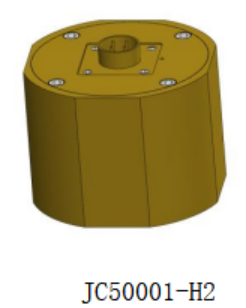
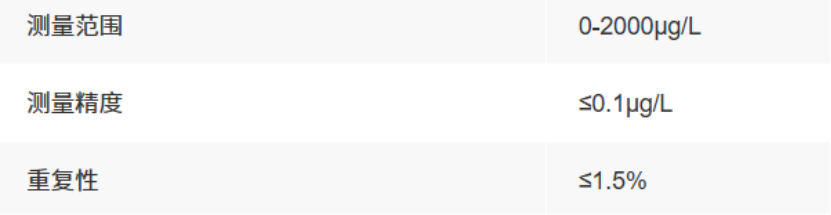
On this basis, Jiazheng Intelligent has launched three products: JC80001-H2-V1, JC60001-H2, and JC50001-H2. JC80001-H2-V1 is specifically designed to complement laser photoacoustic spectroscopy equipment; JC60001-H2 can be directly connected to transformers and can selectively detect the dissolved hydrogen content in transformer insulation oil; JC50001-H2 is specifically used in the hydrogen safety monitoring system for generator cooling water.
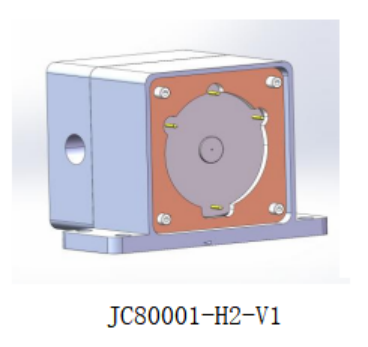
JC80001-H2-V1 is an upgraded fuel cell hydrogen detection module launched by our company. It has improved performance based on JC80001-H2-V0 and further reduced the cross interference of other gases. Among them, the cross interference of CO gas has also been reduced from 1% to below 0.5%, better matching the requirements of industry users. The JC80001-H2-V1 fuel cell hydrogen detection module integrates numerous patented and non patented core technologies, combined with a specially designed gas chamber, specifically designed for detecting hydrogen with optical instruments such as photoacoustic spectroscopy. It can be widely used in places such as power, petrochemicals, metallurgy, nuclear power, etc. that require real-time and continuous monitoring of hydrogen concentration in target environments.
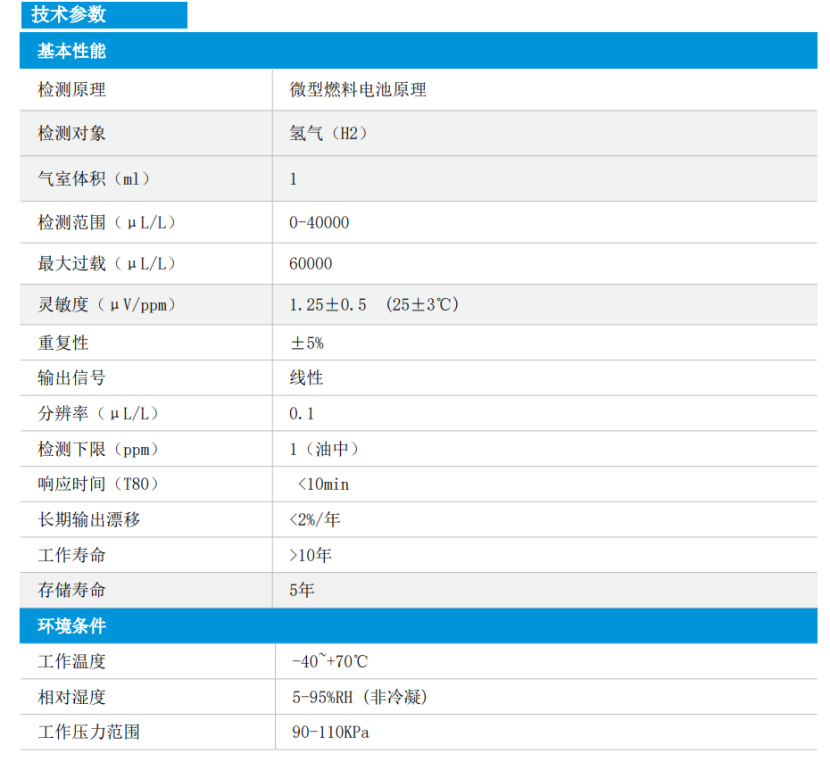
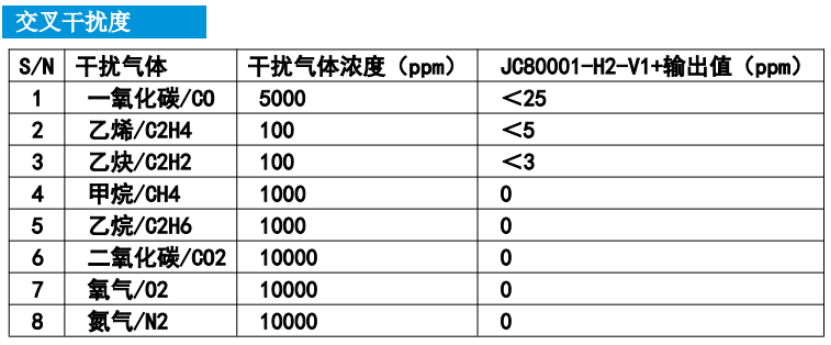
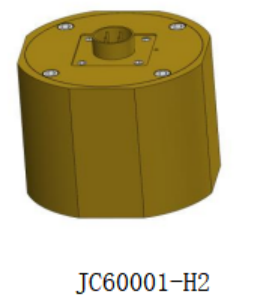
JC60001-H2, combined with a specially designed oil chamber, can be directly connected to transformers and selectively detect the dissolved hydrogen content in transformer insulation oil. It can be widely used in places such as power, petrochemicals, metallurgy, nuclear power, etc. that require real-time and continuous monitoring of hydrogen concentration in the target environment.
Hydrogen Safety Monitoring System for Generator Cooling Water
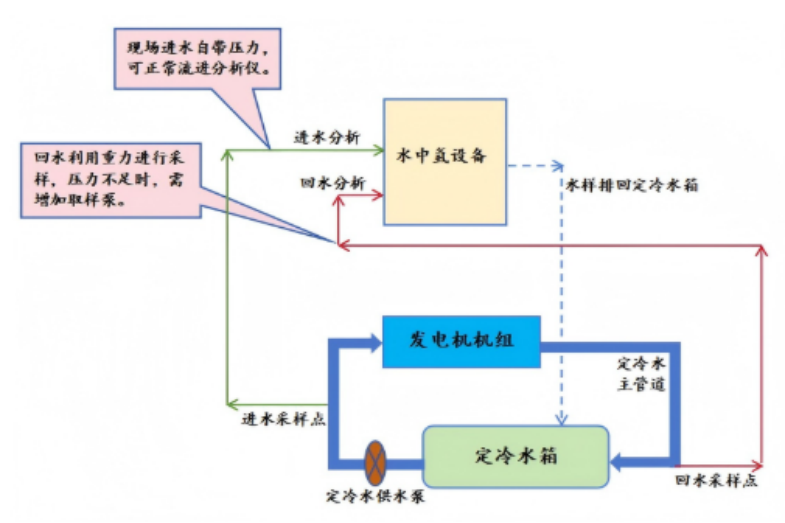
System Principles
The cooling water enters the generator from the excitation end, cools the wire rod, and returns to the cooling water tank from the steam end. It is transported by a water pump, cooled, and then enters from the excitation end. The steam end returns and circulates in sequence. If there is a leakage point on the outer wall or joint of the rotor, due to the hydrogen pressure being higher than the water pressure, hydrogen gas will leak into the cooling water and dissolve in the water. The dissolved hydrogen content in the cooling main pipe of the generator steam end will be higher than that in the excitation main pipe, and the difference between the two reflects both the size of the leakage point and the amount of hydrogen gas leaking into the cooling water. Based on the above principles, water samples are taken from the inlet main pipe at the excitation end and the outlet main pipe at the steam end of the generator, and the dissolved hydrogen content in the water is measured. The instrument measurement signal is sent to the data processor for processing and calculation, and the size and development trend of the leakage point are monitored online. The risk of hydrogen leakage in the generator's cooling water is predicted in advance to prevent accidents from occurring.
About Jiazheng Intelligence
Wuhan Jiazheng Intelligent Technology Co., Ltd. was established in 2019. It is a professional manufacturer engaged in the research and development, production, sales, and service of intelligent gas sensors and their gas detection modules, and provides customers with complete gas detection product solutions.
The core technical personnel of the company have over 15 years of industry experience, including intelligent fusion algorithm technologies such as gas sensitive material development and software and hardware design; Our products include fuel cell gas sensors, traditional electrochemical sensors, solid electrolyte sensors, MEMS metal oxide semiconductors (MOX), optical gas sensors, temperature and humidity transmitters and sensor modules, and complete monitoring solutions. The product is widely used in industrial safety monitoring, indoor air quality monitoring, power equipment status monitoring, civil fire gas detection, energy storage safety monitoring and other fields.